What Size Rug Do You Need? A Visual Guide by Bed and Living Room Size
Most rug advice hands you some rules and leaves you holding the tape measure. Leave a gap from the wall. Get the front legs of the sofa on the rug. They’re both great principles, but neither one tells you which rug to actually order. This guide is different. You’ll get the rug size matched to your seating or the bed you already own.
You’ll find your answers for two key rooms, converted into real rug sizes. First is the living room, derived from your seating arrangement, followed by the bedroom, based on your bed. If you’d like to take a sneak peek at rugs before you measure, this full rug collection is the place to browse.
In this guide
● Living room rug sizes by seating setup
● Bedroom rug sizes by bed size
● How to measure before you buy
● Frequently asked questions
Living Room Rug Sizes: Match Your Seating Setup
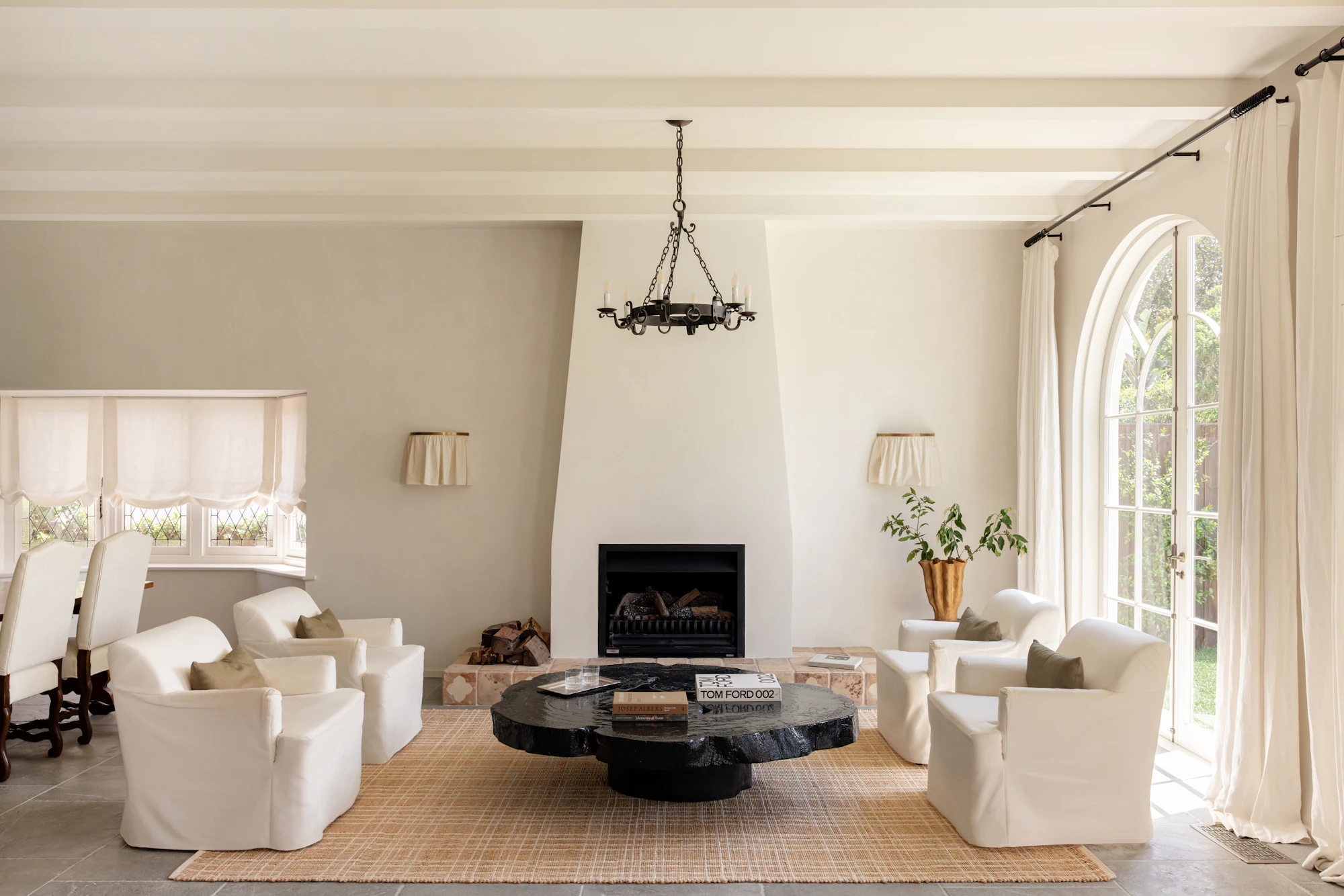
A three-seater sofa in a standard living room needs a rug of around 200 x 290 cm. The rule behind this is simple enough to apply in any room. Leave about 20 to 30 cm of floor visible between the edge of the rug and the wall, and place at least the front legs of every seat (be it a sofa or an armchair) onto it.
Front legs on the rug are what visually pull a seating arrangement together into one group, rather than several pieces drifting about like scattered clouds on the bare floor. Use this living room rug size guide to go straight from your setup to an actual rug size.
If you’re stumped about what size rug to get for a small living room, 160 x 230 cm is the dependable answer. It’s a great base for a two-seater sofa and an occasional chair without crowding your skirting boards. Ranges such as the Rug Culture Bondi start at 150 x 220 cm and go up to 300 x 400 cm, so one design will cover whichever size applies to you.
Before committing, ensure the rug you want to buy is wide enough so the coffee table doesn’t sit partly on and partly off. If it extends beyond the edge, the room can seem unresolved.
Living Room Rug Sizes
You can shop by the above range size parameters (small, medium and large). These take you straight to the rugs with the correct measurements for your space.
Bedroom Rug Sizes: Match Your Bed Size
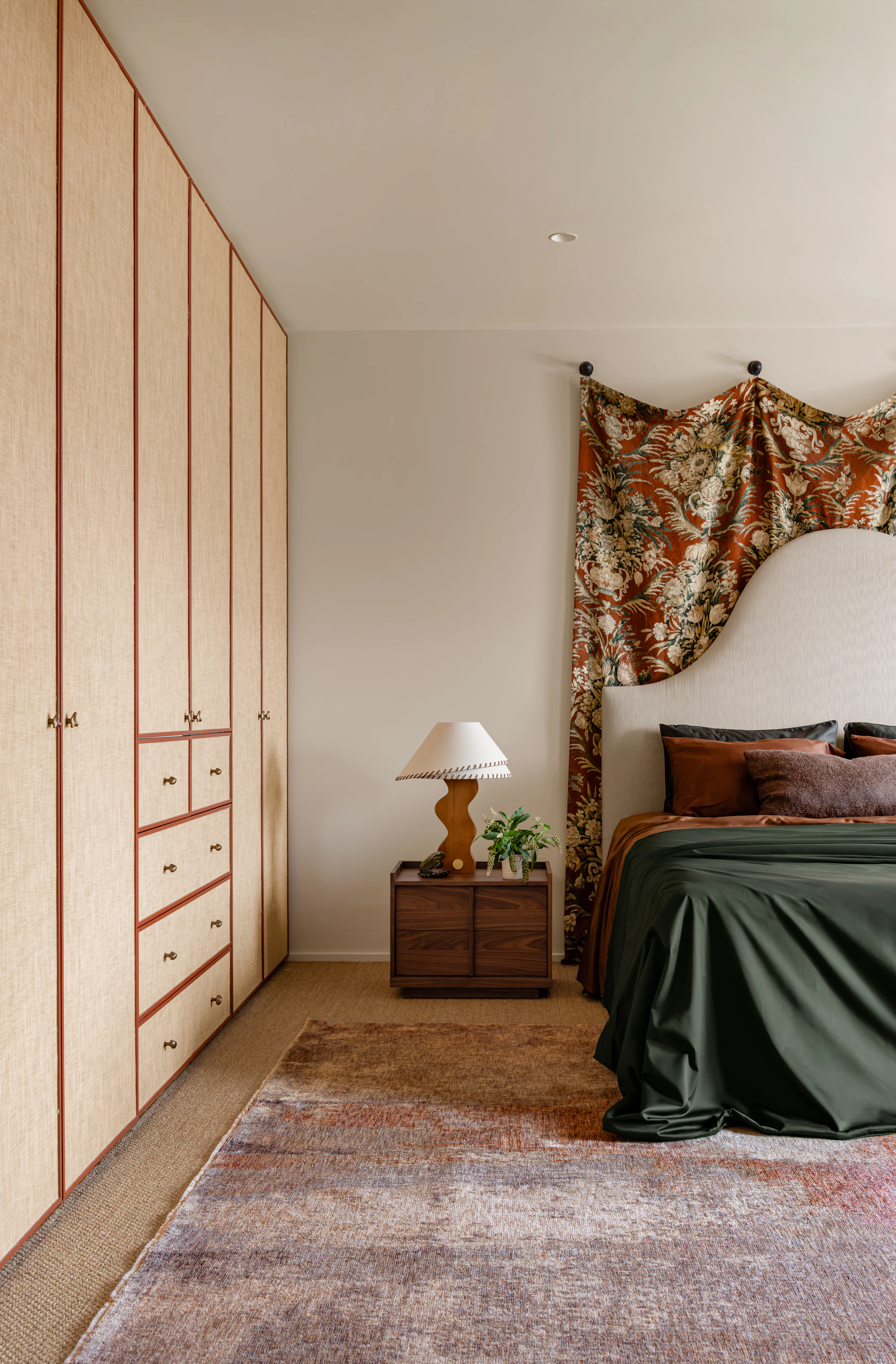
A bedroom rug should extend anywhere from 23 to 60 cm past each side of the bed, putting something soft under your feet when you get up from either side.
Working from that, for example, the size of the rug for a queen bed comes out at 200 x 290 cm. And if you’re wondering what size rug you need for a king bed, the principle still applies. Here, a 300 x 400 cm rug gives a 183 cm-wide mattress the necessary clearance.
Position the rug about two-thirds of the way beneath the bed, beginning just below the bedside tables, so the visible portion frames the foot and both sides instead of vanishing under the frame in the head area.
Anything narrower leaves a strip of cold floorboard right where you step out every morning, which is a detail you’re sure to notice in wintertime. If the room is too small for a full rug, two runners placed on either side of the bed give you the same soft landing without swallowing up the floor space.
A runner also suits a bed that’s pushed against the wall on one side. Also remember to check the door swing before ordering so the door doesn’t get jammed by the rug, though if the rug is thin enough and the door bottom is high enough, this won’t be an issue.
Bedroom Rug Sizes
- Single or King Single bed: 160 x 230 cm (Small to medium)
- Double or Queen bed: 200 x 290 cm (Medium)
- King or Super King bed: 300 x 400 cm (Large)
Layer in the Finishing Accessories
Two or three finishing pieces are sufficient. A candle or diffuser, a nicely presentable robe hung where it can be seen, and an organiser to gather the vanity clutter will do more for a bathroom than a shelf of ornaments.
Scent is the most underestimated element; a candle or reed diffuser can change how a room feels before anyone even notices the towels. And it costs less than just about anything else. A robe adds softness to a space made almost entirely of hard surfaces. Guest soaps and small organisers take care of everything else, keeping the vanity unit from becoming overrun with half-used bottles. You can find all these grouped in one place in the self-care range.
How to Measure Before You Buy
A roll of painter’s tape and two minutes of your time is all it takes. Mark the suggested rug size on the floor, then live with the outline for a day or two before you place your order.
- Tape out the size first. A rug almost always comes across as being smaller in the room than how it looked on screen. An outline on the floor gives you a simulation of how this feels before you spend your money.
- Are you caught between two sizes? Size up. A slightly over-generous rug comes across as deliberate. But a rug that’s slightly too small comes across as an error.
- For open-plan rooms, size each zone separately using the seating setup table above. Instead of one giant rug stretched out over the whole floor, have one for the lounge area and another for the dining setting.
Note: add about 120 to 150 cm to the overall length and overall width of your table to come up with your dining room rug size. This provides enough clearance for your dining chairs to be pulled out, keeping all chair legs on the rug without snagging.
Shop Rugs in the Right Size
There’s a big difference between ordering a rug with confidence and taking a guess, hoping for the best. If you take on board what’s in this guide, you’re confidently on your way. Simply confirm your seating arrangement or bed size, reference the tables, and order a rug from the size range suitable for you.
Once you’ve sorted out your floor rug, furnishing or replacing furniture in the rest of the room may be on your mind. If so, the wider home décor range and this guide to understanding interior design styles are easy next steps for you to take.
Frequently Asked Questions
What size rug do I need for a queen bed?
A 200 x 290 cm rug suits a queen bed. It extends far enough past each side to catch your feet on both sides and still frames the foot of the bed once positioned two-thirds underneath.
What size rug is best for a small living room?
A 160 x 230 cm rug works best in a small living room with a two-seater sofa. It leaves 20 to 30cm of visible floor to keep the compact room feeling open while still anchoring the seating.
Should a rug touch the walls of a room?
Unless you’re trying to hide a particularly ‘ugly floor’, the answer is usually no. You’d normally want to leave 20 to 30cm of bare floor between the rug and the wall. This defines the rug as a deliberate layer, not a wall-to-wall carpet. And it makes the room appear larger than a fully covered floor would.
Can a rug be too big for a room?
Yes, though it happens far less often than the opposite scenario. A rug that comes up to the skirting boards on every side loses the border that gives a room definition. Undersized rugs are by far the more common mistake people make.
What is the standard rug size for a living room in Australia?
Yes, though it happens far less often than the opposite scenario. A rug that comes up to the skirting boards on every side loses the border that gives a room definition. Undersized rugs are by far the more common mistake people make.
Back to blog