Living Room Decor Ideas: How to Layer Rugs, Cushions & Throws
Most living room decor idea guides focus on one product at a time. A guide to rugs over here, something on cushions somewhere else, throws treated as an afterthought. The room, meanwhile, is vying for all three (and sometimes more besides) at once. This article pulls all these elements into one interrelated system. To make it simpler, we recommend a chronological order: rug first, cushions second, throw last.
By the time you’re finished reading this guide, you’ll know what to buy and the sequence to buy it in. It’s the difference between carrying out a slapdash refresh and having a clear, short shopping list that’s confidently compiled. If you’d like to sneak a peek at the whole picture first, the home décor collection is where the three layers live together.
In this guide
● Start with the rug
● Layer in cushions
● Finish with the throw
● Putting the layers together
● Frequently asked questions
Start With the Rug: Your Room’s Foundation Layer
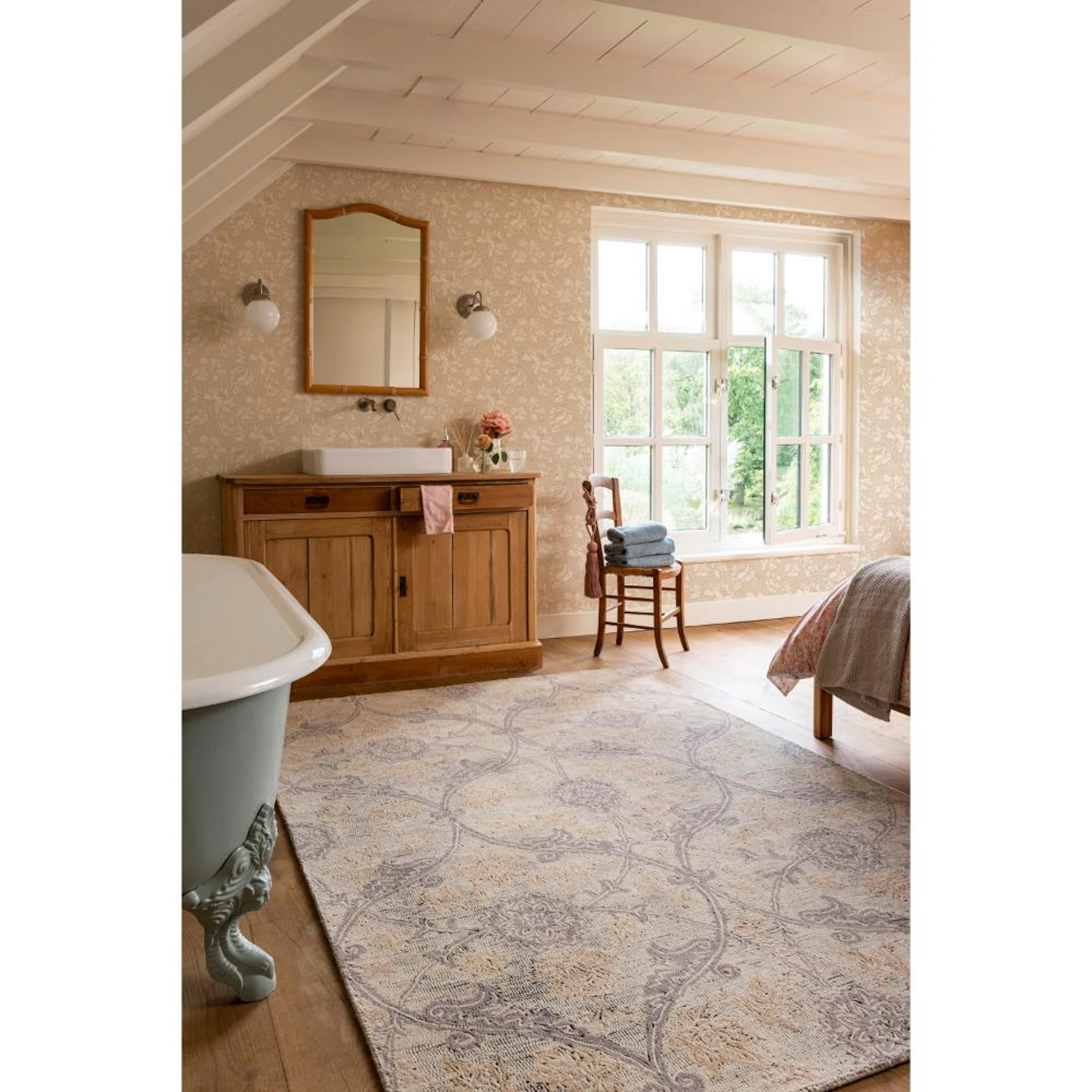
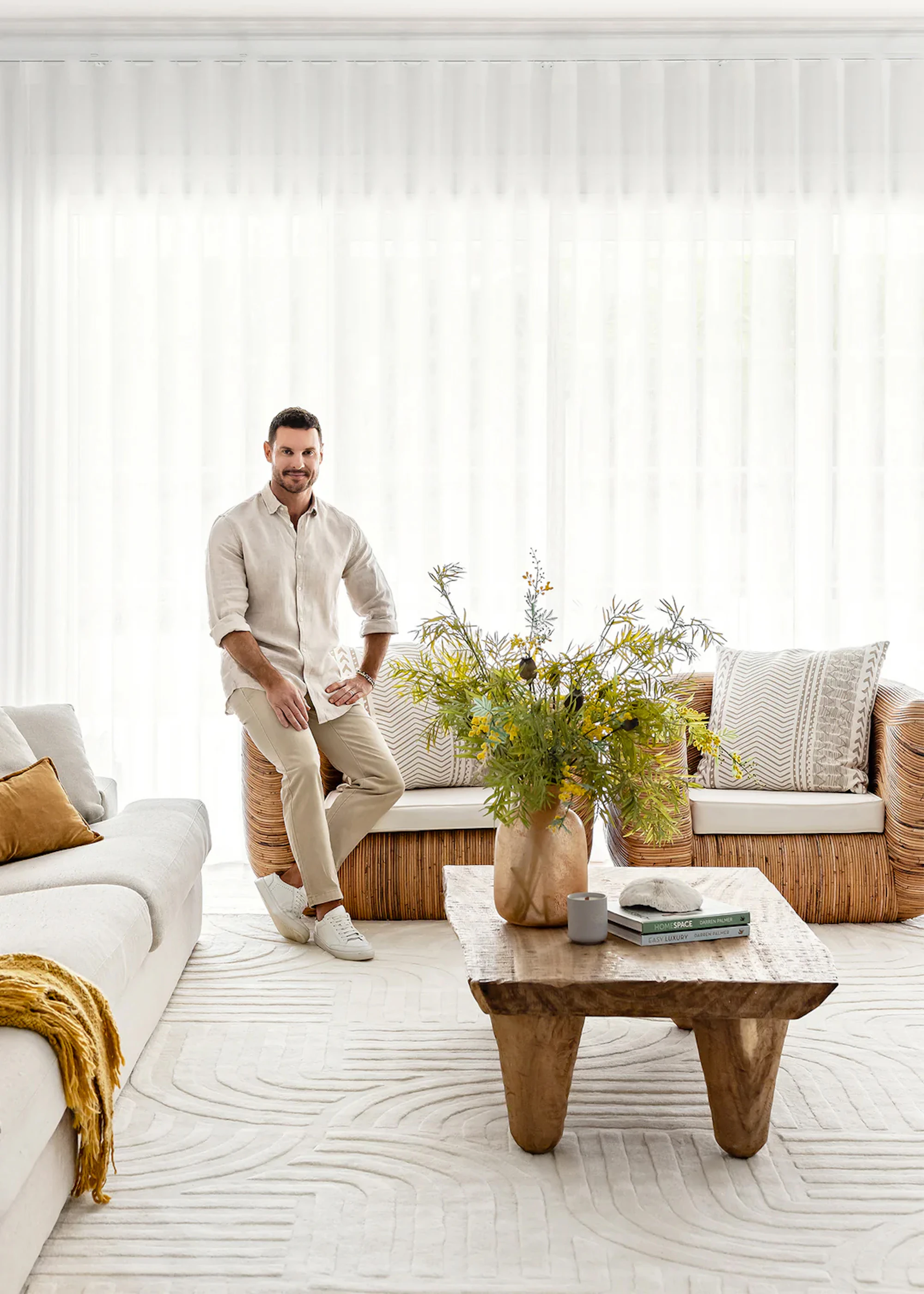
Why does the rug come first? Because everything else in the room subsequently gets arranged around it. Leave about 20 to 30 cm of visible floor between the edge of the rug and the walls, and make sure you can get at least the front legs of the sofa and armchairs onto it.
Front legs on the rug are what make a seating arrangement feel deliberate and well put together. This is in contrast to furniture encircling a rug like theatre seating around a central stage, with perhaps a coffee table in the middle, looking awkward on its own.
Use your seating arrangement as a guide to selecting a rug size for your living room. A two-seater sofa usually needs 160 x 230 cm, a three-seater around 200 x 290 cm, and an L-shaped sectional or open-plan space 300 x 400 cm. The rug range is grouped into small, medium and large, so you can easily match the size of the rug to your room.
If you already own a rug you love that’s a bit too small, knowing how to layer rugs will save you from having to replace it. Just put down a large jute or sisal base underneath and set the existing rug on top, offset, not centred. The base does the sizing work while the top layer supplies the colour and texture.
Layer In Cushions: Sizes, Numbers and Mixing Rules
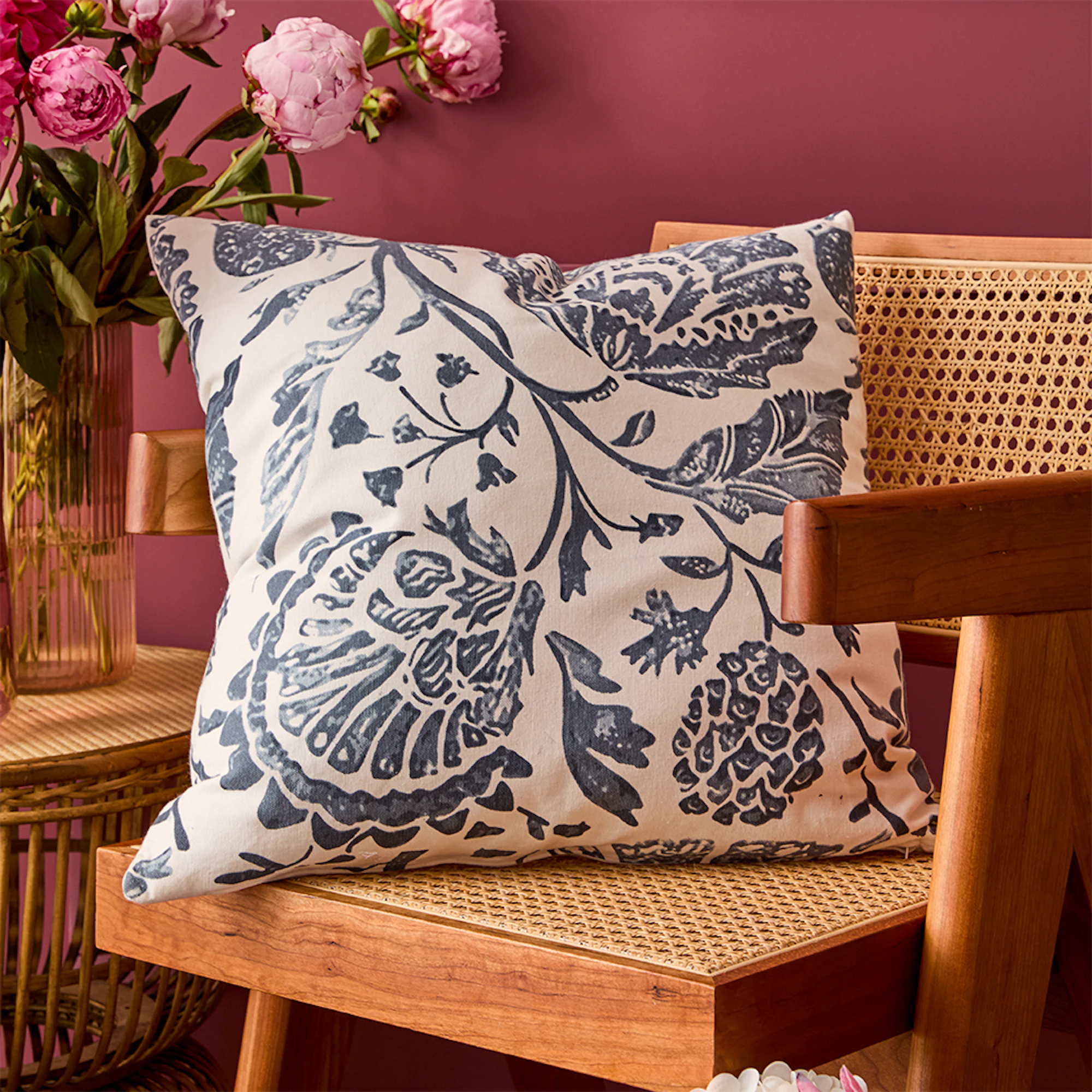
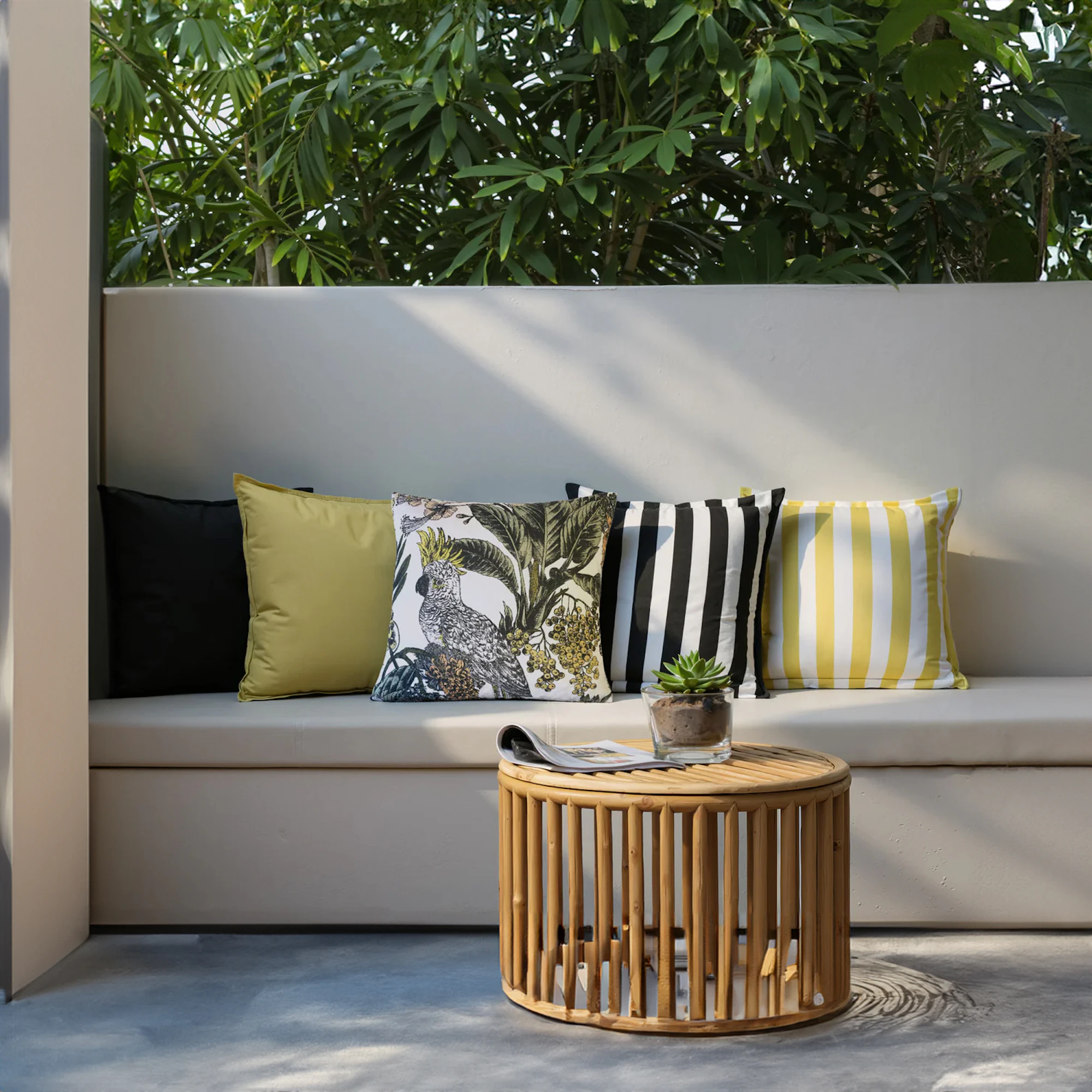
Cushions are best displayed in odd numbers and graduated sizes. Place three on a standard sofa or five on a larger one, arranged with the biggest at the back and the smallest at the front. This provides an intriguing depth that can’t be achieved with a row of identical cushions.
A dependable formula for how to layer cushions on a couch is 55 to 60 cm at the back, 50 cm through the middle and 45 cm at the front. Mix the textures as well as the dimensions. A linen weave beside velvet, or bouclé against flat cotton, gives the arrangement something to intrigue the eyes.
- Back layer: 55 to 60 cm. Sets the height and anchors the arrangement.
- Middle layer: 50 cm. Builds depth between the outer two layers.
- Front layer: 45 cm. Features the accent colour or pattern.
Regarding colour, keep the palette tonal and introduce one deliberate contrast instead of matching each piece precisely, because a perfectly matched set tends to come across as a showroom display. It’s good to filter the cushion range by size first and colour second.
Finish With the Throw: Where and How to Drape It
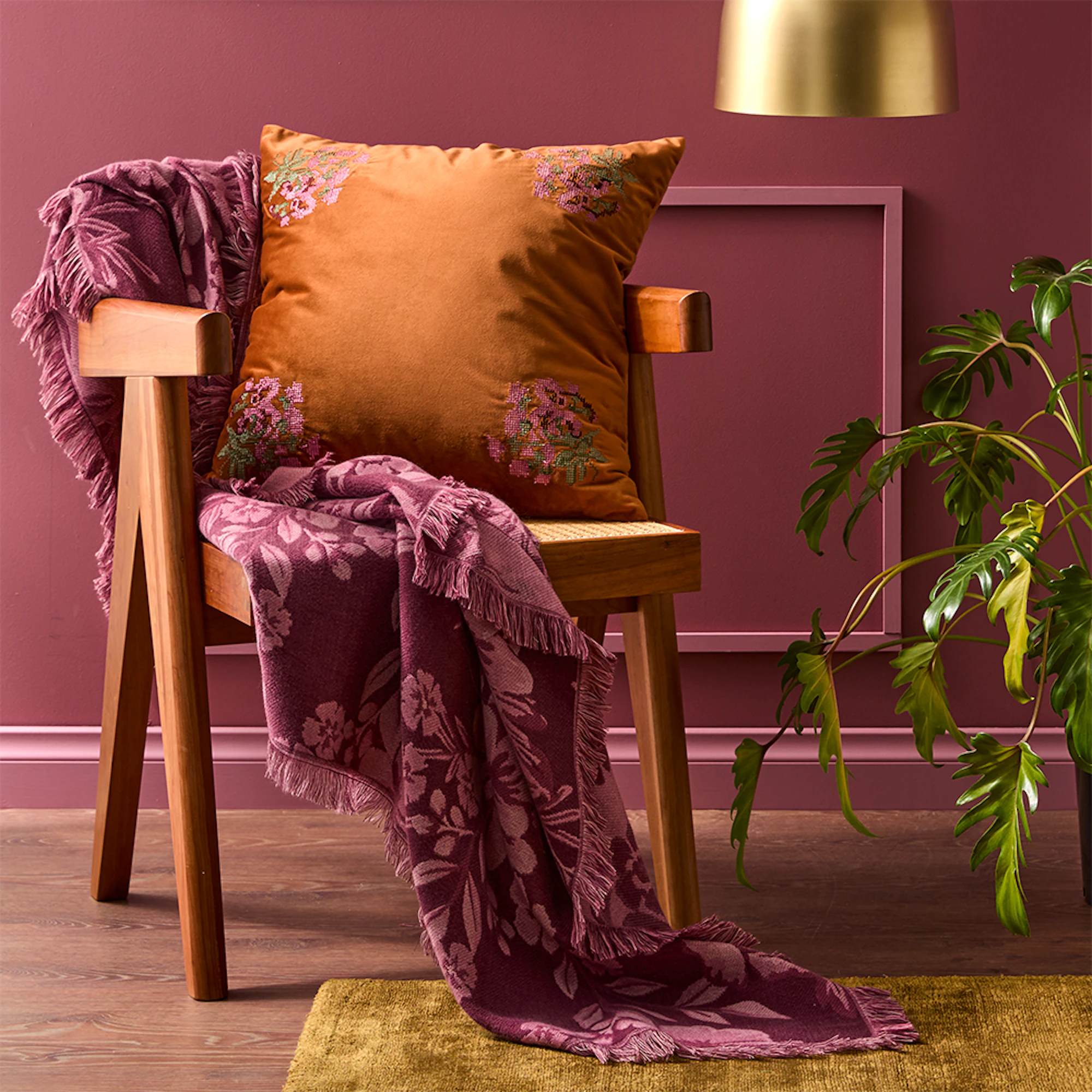
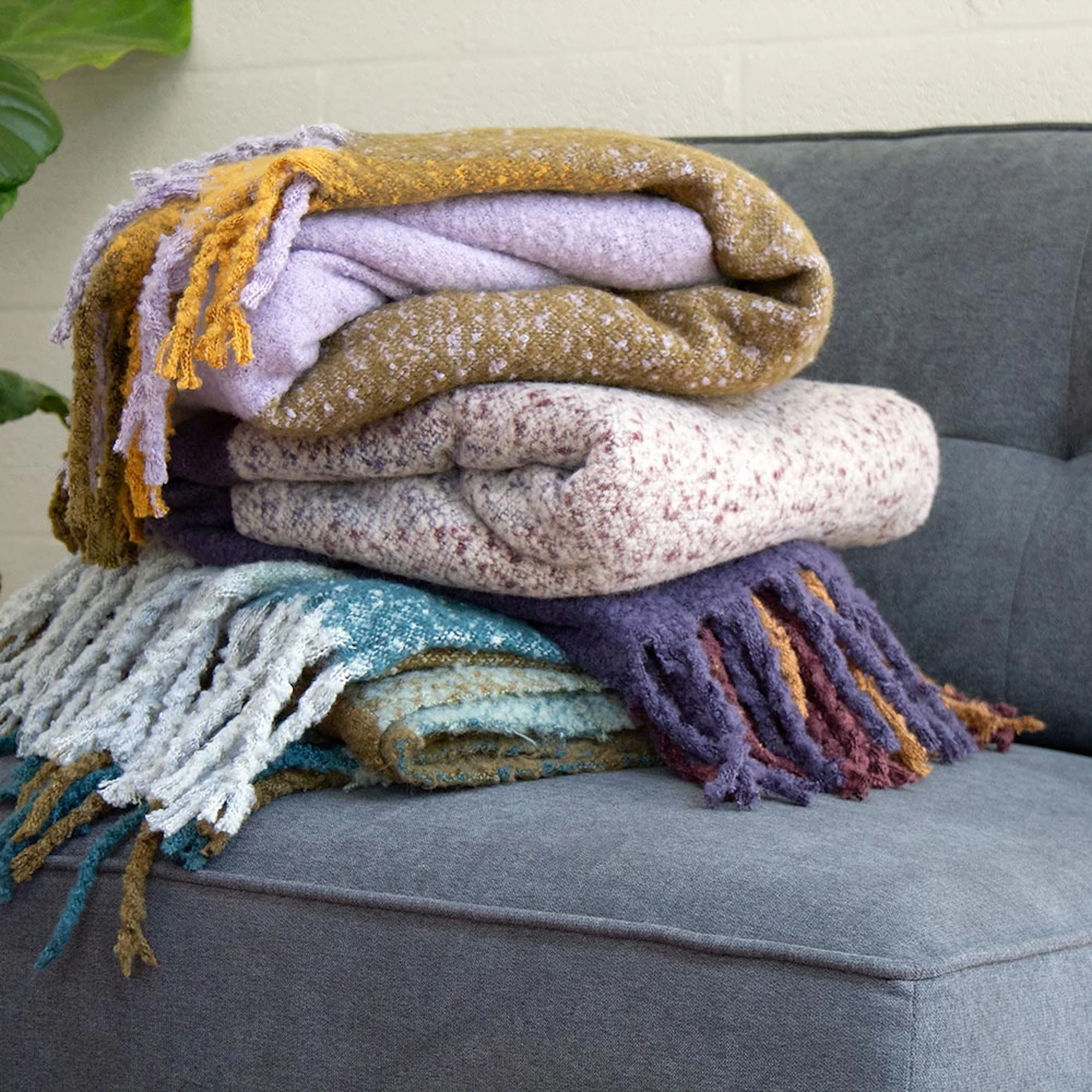
A throw goes on last because it’s the layer you’ll change most often. Two placements, folded over one arm of the sofa, or draped loosely over a back sofa corner, look wonderful in most living rooms.
The folded throw version is the more conservative of the two and suits a formal sitting room. The loose drape over a back sofa corner placement comes across as relaxed, and the secret is letting the fabric fall unevenly. When someone asks how to style a throw blanket on a sofa, the overarching answer is that neither placement should appear overly arranged.
If the cushions are a plain fabric in a solid colour, a textured throw provides the contrast, even if it isn’t patterned. A chunky knit or a bouclé weave gives the eye somewhere to land without adding another pattern to the room. For this reason, you may like to start your search for throws firstly by texture, and then consider the colour.
Putting the Layers Together
In your own living room, this becomes one coordinated plan rather than three unrelated purchases.
Start with a 200 x 290 cm rug in oatmeal or soft grey, placing the front legs on it. Add three cushions in a tonal palette of your choice: 55 cm linen at the back, a 50cm velvet through the middle and a 45 cm in a warmer accent shade at the front. Finish the look with a chunky-knit throw in that same accent colour, over the back corner nearest the window. Here, the accent appears twice. It ties the room together, yet nothing’s an exact match with anything else.
To bring it together, start shopping the rug, cushion and throw ranges together. If you’re still deciding on a direction for your space, understanding home interior design styles is a great starting point, and layering your bed for winter applies the same foundation-to-finish order for your bedroom. Keep these living room styling tips handy for your next seasonal refresh.
Frequently Asked Questions
What size rug do I need for my living room?
A 200 x 290 cm rug is perfectly sized to suit a standard three-seater sofa. Smaller rooms with a two-seater sofa tend to take 160 x 230 cm, while open-plan spaces and L-shaped sectionals size up to 300 x 400 cm, so long as 20 to 30cm of floor is still visible near the walls.
How many cushions should you put on a sofa?
Three cushions work well on a two- or three-seater, and five cushions on larger sofas. Odd numbers create a sense of balance, and graduating the sizes from 55 cm at the back to 45 cm at the front adds depth more than a flat row.
Do your rug, cushions and throw need to match?
No, and matching them exactly usually flattens a room. Keep everything within one tonal family and let a single accent colour appear a couple of times, most often in a front cushion and the throw, so the layers relate without repeating too obviously.
Where do you drape a throw blanket?
Folded over one arm of the sofa, or loose across the back corner. The folded placement looks more considered, and the loose drape feels relaxed. Either way works better when the fabric falls unevenly than when it’s arranged symmetrically.
How often should you refresh living room styling?
Once or twice a year suits most homes, swapping out the cushion covers and throw as the seasons turn while the rug stays put. It’s the two most affordable foundational layers to update.
Back to blog