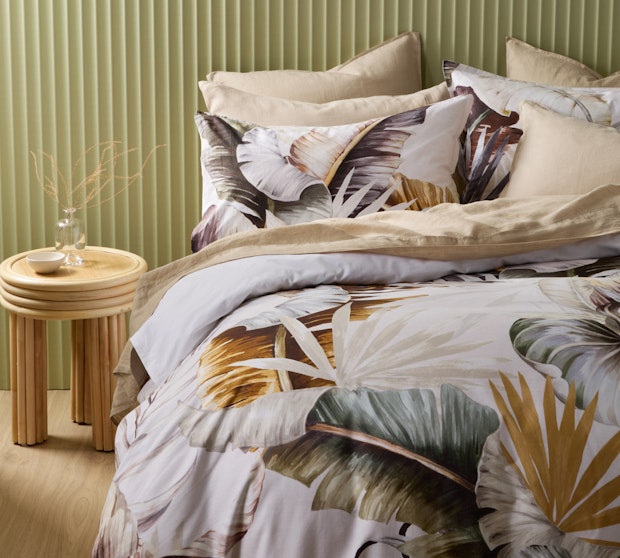
Quilt, Doona or Coverlet: Which is Best
A doona is a filled insert that goes inside a removable cover. A quilt is a single stitched-through layer with the fill sewn in. A coverlet is a lighter, often quilted top layer used on its own or over a doona.
Which one belongs on your bed depends on how warm you sleep and who you share it with.
The quilts and doonas and the coverlet range are the two places you can browse to see specific examples of what is mentioned.
In this guide
● What is a doona, really?
● What is a quilt?
● What is a coverlet?
● Which suits your sleep style?
● Choosing the right bed spread for your bedroom
● Caring for whichever you choose
● Frequently asked questions
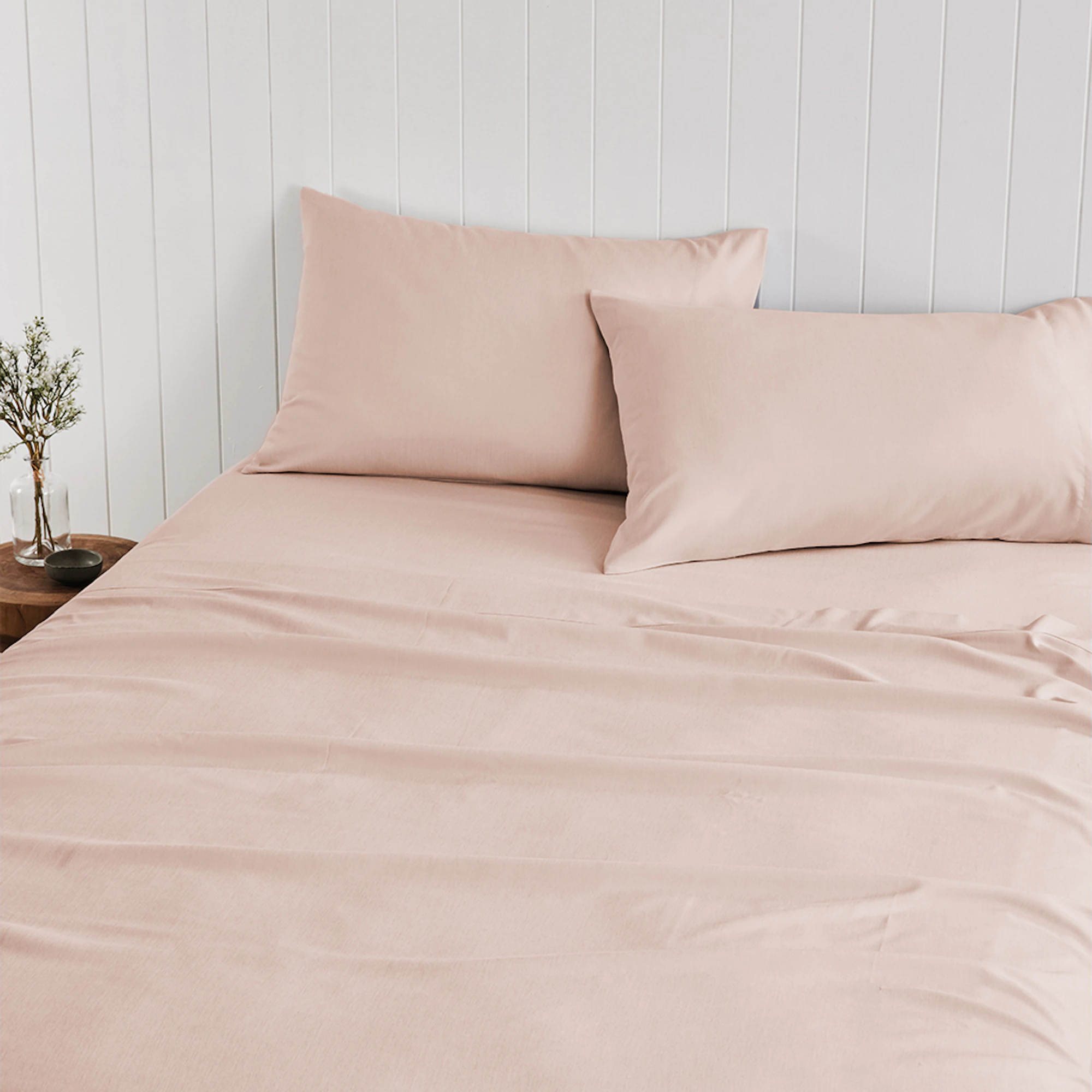
What Is a Doona, Really?
A doona has two parts: a filled insert, typically made of wool, down or microfibre, and a cover that zips or buttons around it. You wash the cover most of the time, and the insert only requires cleaning about once a year.
In Australia, ‘doona’, ‘duvet’ and ‘quilt’ are used almost interchangeably, even though they technically differ. The duvet versus doona question is the most straightforward, since they’re the same product under different names. Doona is the Australian term and duvet is the British and European term. The doona versus quilt distinction is where you’ll find the difference. A doona always has an insert-and-cover pairing. A quilt, in its traditional sense, doesn’t.
What Is a Quilt?
A quilt is traditionally a single layer with the fill stitched through and sewn in, so there’s no separate insert and removable cover. It’s used as a standalone top layer, directly on top of the bed.
That’s the textbook version. In practice, the quilt versus duvet difference has blurred, because most quilts sold nowadays are inserts designed to go inside a cover. This effectively makes them doonas in everything but name.
The terms still part ways with traditional stitched quilts, like patchwork or channel-quilted styles, which are washed as one piece. So, if a product description mentions fill weight and recommends a cover, it’s a doona-style quilt. If it describes a finished fabric on both sides, it’s a traditional quilt without an insert.
What Is a Coverlet?
A coverlet is a lightweight, usually quilted top layer finished on both sides, used either alone in warm weather or draped over a doona for texture. It has no insert or cover and much less loft than a doona.
In day-to-day terms, a coverlet is the lighter, more modern relative of a bedspread. The coverlet versus quilt difference is weight and purpose. A quilt or doona keeps you warm, whereas a coverlet finishes the look of your bed, adding a layer of pattern. It also gives you something to pull up on a mildly cool night.
The difference between a coverlet and a comforter is similar. A comforter is a thick, filled, all-in-one blanket, whereas a coverlet is thin enough to fold at the foot of the bed. Coverlets are also normally sold in combined sizes such as queen/king or single/double because they drape rather than fit, so they don’t need exact dimensions.
Doona, Quilt or Coverlet: Which Suits Your Sleep Style?
Hot sleepers do best with a standalone light doona or coverlet, and cold sleepers benefit from a higher-GSM doona. Couples who sleep at different temperatures can use a doona plus a coverlet that one partner can pull up or shed. Warmth is measured in GSM.
GSM in a quilt stands for grams per square metre and shows how densely the doona is filled. A summer weight is around 150 to 250 GSM, an all-seasons quilt weight is 300 to 400 GSM, and a winter quilt weight is 500 GSM and more. But rather than focusing on the season alone, it’s better to match the GSM number to how you sleep. Your needs can vary a great deal throughout the year depending on whether you’re a hot or cold sleeper.
- Doona (summer): 150 to 250 GSM. Best for hot sleepers and warmer climates. Wash the insert approximately yearly.
- Doona (winter): 500 GSM and more. Best for cold sleepers and cooler climates. Wash the insert about once a year.
- Quilt: varies according to the type of filling. Best for traditional single-layer warmth. Care instructions depend on the quilt fill.
- Coverlet: the lightest option. Best for shared beds and low-maintenance styling. Easiest to wash and swap.
Hot sleepers and anyone in a warmer climate will be most comfortable under a summer-weight doona, or a coverlet over a sheet on the hottest nights. For anyone who feels the cold, choose a wool doona at 500 GSM or more. If you want warmth without the weight, a microfibre option feels lighter with the same GSM.
Sharing a bed with someone who sleeps at a different temperature is where a doona and coverlet work best together. Choose a mid-weight doona and fold a coverlet at the foot of the bed, so the colder sleeper can pull up an extra layer on their side without the warmer one overheating.
If you’re aiming for simplicity, lean towards a coverlet as the main top layer through most of the year. Considering the easy care (you can place it whole into the washing machine) and bedroom styling impact (you can instantly change the whole look of your bedroom), this is a great choice.
How to Choose the Right Bed Spread for Your Bedroom
The easiest way to style your bed is to layer a coverlet over your doona in a contrasting texture, then fold it back a third of the way so both show. For best effect, use contrasting textures, like waffle over linen or a quilted cotton over a smooth cover.
If you want a change as the seasons progress, swap the coverlet instead of the entire cover. This is the cheapest and quickest way to replace your bedding and refresh your bedroom. Building a full winter bed from the base up? Our guide on layering your bed for winter takes you through the process.
Caring for Whichever You Choose
Wash your doona cover or coverlet whenever you wash your sheets, and your insert every year or so. If your pets sleep on the bed, wash the insert more often. Wool, down and microfibre each need a slightly different approach, so check our guide to washing quilts and covers before you tackle the insert.
Shop the Bedding That Matches Your Sleep Style
Note how warm you sleep, check the GSM, then choose the layer that fits the way you sleep. Choose a doona from our quilts and doonas range when warmth is the priority, add a coverlet for an easy extra layer or a quick change of look, and finish it off with a quilt cover in a colour or texture you love.

Frequently Asked Questions
What is the difference between a doona and a quilt?
A doona is a filled insert designed to be placed inside a removable cover, whereas a traditional quilt consists of a single stitched layer used on its own. In Australia, both terms are often used interchangeably, and most quilts currently on the market are actually doona-style inserts.
Is a coverlet the same as a quilt cover?
No. A quilt cover is a fabric shell that encases a doona insert. A coverlet is a finished, lightly quilted top layer without an insert. A coverlet goes over a doona or is used alone, but isn’t designed to be used to encase a doona.
Can you use a coverlet without a doona underneath?
Yes. In summer or a warm climate, a coverlet on its own over a sheet is often all you need as a hot sleeper. In cooler weather, it works as an extra layer over a doona for added warmth
What GSM doona is best for winter?
500 GSM and above. If you’re a cold sleeper or live in a cooler region, you can go higher. But if you tend to sleep warm, you may find an all-seasons doona of 300 to 400 GSM plus a coverlet preferable to a heavy winter weight.
Do coverlets come in single sizes or combined sizes?
Coverlets often come in combined sizes, such as single/double or queen/king, because they drape over the bed instead of fitting a precisely sized insert. Check the listed dimensions rather than assuming a one-to-one match with the size of your mattress.
Back to blog